Retail banking, also known as consumer banking, is the most familiar part of the Indian banking system. It deals directly with individual customers rather than companies or large institutions. From savings accounts and home loans to credit cards and personal loans, retail banking plays a major role in supporting the day-to-day financial needs of citizens.
In recent years, digital transformation, rising incomes, and financial awareness have made retail banking even more important. Indian banks like SBI, HDFC Bank, ICICI Bank, Axis Bank, and Kotak Mahindra Bank have expanded their retail banking services to millions of customers across urban and rural areas. While retail banking offers many benefits such as convenience, easy access, and personalized services, it also has certain drawbacks that customers must consider.
Below is a detailed explanation of the advantages and disadvantages of retail banking in India.
What is Retail Banking?
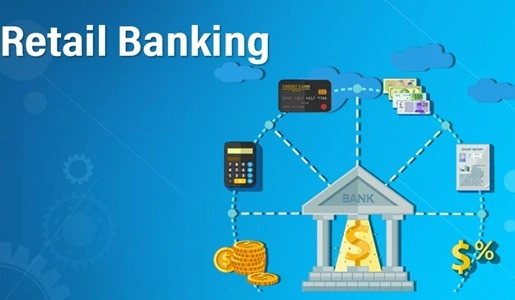
Retail banking refers to financial services offered by banks directly to individual consumers. These services include:
- Savings accounts and current accounts
- Fixed deposits (FD) and recurring deposits (RD)
- Home loans, auto loans, and personal loans
- Credit cards and debit cards
- Internet banking and mobile banking
- Wealth management and insurance distribution
Retail banking focuses on providing small-ticket, large-volume services to a broad customer base.
Advantages of Retail Banking
1. Convenience and Easy Access
Retail banking is designed for customers’ convenience. With widespread branch networks, ATMs, mobile apps, and internet banking, customers can access banking services anytime, anywhere.
For example, UPI payments and mobile banking apps have made everyday transactions extremely easy.
2. Wide Range of Financial Products
Retail banks offer a wide variety of financial services under one roof. Customers can open accounts, invest in deposits, take loans, manage credit cards, and even buy insurance or mutual funds. This one-stop solution reduces the need for multiple financial institutions.
3. Lower Risk for Banks
Retail loans, such as home loans or personal loans, are usually small in size but large in number. This reduces the overall risk for banks compared to corporate loans. Even if one customer defaults, the impact on the bank is limited. This stability encourages banks to expand retail services.
4. Personalized Banking Experience
Many banks offer customized services such as relationship managers, priority banking, and tailored loan or deposit products. These personalized offerings help customers manage their finances better and enhance satisfaction.
5. Competitive Interest Rates
Retail banking products often come with competitive interest rates. For example, home loan rates in India are among the lowest compared to many countries. Banks also provide attractive FD rates, cashback on cards, and seasonal offers.
6. Strong Regulatory Protection
Retail customers enjoy strong protection under RBI guidelines. Whether it’s interest rates, grievance redressal, KYC norms, or digital fraud management, the RBI ensures safe and fair banking practices.
7. Financial Inclusion
Retail banking helps bring more people into the formal financial system, especially in rural areas. The Jan Dhan Yojana, AEPS, and micro-ATM services have supported financial inclusion across India.
Disadvantages of Retail Banking
1. Higher Operational Costs for Banks
Retail banking requires large branch networks, customer service teams, ATMs, and technology investments. These costs sometimes get passed on to customers through service charges and penalties.
2. Risk of Over-Borrowing
Easy availability of retail loans and credit cards may tempt customers to borrow beyond their capacity. This can result in debt traps, late fees, and poor credit scores.
3. Lower Profit Margins for Banks
Retail loans usually have lower interest rates than corporate loans. Combined with higher operational costs, banks face lower profit margins in retail banking. This sometimes reduces the ability to offer premium services.
4. Increased Digital Fraud Risks
With the rise of mobile and internet banking, cyber fraud, phishing, and OTP scams have increased. Although banks follow strong security protocols, customers must remain cautious while making digital transactions.
5. Limited Personal Relationship in Digital Era
As banks are shifting from physical branches to digital platforms, personal interaction between customers and bank staff is decreasing. Some customers — especially seniors — still prefer human assistance.
6. Service Charges and Hidden Fees
Many retail banking products come with hidden charges, such as minimum balance penalties, card fees, loan processing charges, and ATM withdrawal fees. These charges can burden small customers.
7. Delays During Peak Times
Retail banks handle millions of customers. During peak seasons—like tax filing months, festive loan demands, or salary credit days—systems may slow down or branches may get crowded.
Conclusion
Retail banking is the backbone of India’s financial system. It offers convenience, wide product choices, financial inclusion, and strong customer protection. With digital banking becoming more advanced, customers now enjoy faster and more efficient services than ever before.
However, retail banking also comes with challenges such as hidden charges, digital fraud risks, and reduced personal interaction. Customers should remain financially aware, compare banking products carefully, and use digital services responsibly.
Overall, retail banking has transformed the way Indians manage their money, helping millions achieve their financial goals while supporting the growth of the Indian economy.