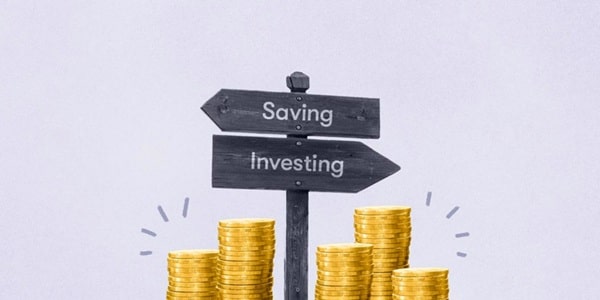
Investments in gold are not just about buying following a rise in prices. Smart investors always consider economic factors, conduct market analysis, and evaluate multiple investment options.
When all these factors are taken into account together with detailed cost evaluations and liquidity analyses, the valuable metal emerges as a significant investment approach for many investors. This blog highlights some important aspects that savvy investors look into before buying gold investments.

Analysing gold price movements
The price of gold is influenced by global events; however, a smart investor doesn’t just base their decisions on the news. They consider the US dollar, interest rates, and inflation to determine the general trend.
When the dollar is weak, the price of gold rises, although this is dependent on the time factor. Investors study past price trends and variations so that profitable entry points are identified.
Smart investors are aware of the movements made by central banks as well as political events that may suddenly cause fluctuating prices. With the help of instruments designed to monitor the gold rate today, the investor can compare any short-term fluctuation with the trend. By combining numbers with information, they can tell whether gold prices are high or low and make rational decisions based on that.
Selecting the right gold investment vehicle
Gold investment isn’t just limited to jewellery and coins. Smart investors diversify their holdings in:
- Physical gold: Physical gold, such as bars and coins, is a secure investment, but needs proper safekeeping and insurance.
- Digital gold: Offers liquid and fractional ownership with less hassle regarding storage.
- Gold ETFs and Sovereign Gold Bonds (SGBs): They offer security as well as earning potential; SGBs, in particular, earn interest.
Each instrument has its own purpose. ETFs give investors flexibility, SGBs ensure stability for the long term, but gold is better suited to a price-conscious method. Investors do not just base themselves on the national average; instead, they consider regional signals such as the gold rate in Bangalore and other cities to optimise their purchasing choices.
Verifying purity and certification
Purity becomes a crucial factor for physical gold. Investors generally look for certified 22 karat or 24 karat gold, authenticated by reputable organisations such as BIS in India. Certified gold guarantees purity, prevents contamination, and provides a guarantee on resale value.
Professional investors also consider making costs and resale margins before concluding any transactions, ensuring their investments maintain value.
Evaluating economic indicators and timing
A smart investor always links gold investment with various macroeconomic factors. The value of gold tends to outperform in an environment of inflation, devaluation of the national currency, and economic uncertainties. The following macroeconomic factors must be monitored when considering gold investment:
- Interest rate shifts by central banks
- Inflation levels
- Stock market volatility
- Geopolitical risks
Considering costs, premiums, and exit planning
There is always an underlying cost associated with physical gold, including manufacturing cost, safekeeping fee, insurance cost, and GST. ETFs and digital gold come with transaction costs or management costs. The wise investor computes all these costs beforehand to remain profitable. Furthermore, they make an escape route plan, considering their liquidity options as well.
Balancing portfolio risk with gold allocation
A prudent investor never invests all his resources in gold but will rather invest an appropriate share according to his risk level, time frame, and expectation.
Gold is considered a hedging instrument for market risks and foreign exchange risk. With proper asset management, profits generated from gold help diversify returns while protecting against market movement risks.
Conclusion
Gold is a profitable investment for people who invest in it in a planned way, not on the spur of the moment. It all depends on how effectively people analyse the markets, manage the costs of buying gold, and correlate it with the overall strategy. As opposed to simply responding to market moves, smart investors concentrate on timing and structuring their investments in gold.