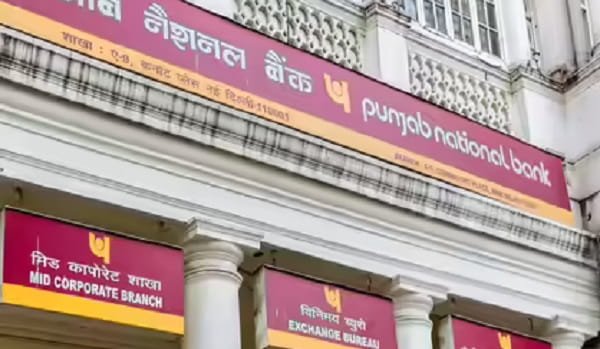
The Indian banking sector is rapidly adopting advanced technologies to strengthen digital security and prevent fraud. One of the latest developments includes AI-powered identity verification systems designed to detect impersonation attempts and suspicious activities at ATMs and digital banking platforms. Punjab National Bank, like many modern financial institutions, continues to improve security infrastructure to protect customer accounts from emerging cyber threats such as deepfake fraud.
However, customers may occasionally face ATM identity verification failures caused by AI-based deepfake detection systems. These errors can temporarily block transactions, reject authentication attempts, or create confusion during ATM usage.
This article explains the causes of deepfake identity verification failures at PNB ATMs, practical troubleshooting steps, and ways to ensure secure and smooth banking access.
What is Deepfake Identity Verification in Banking?
Deepfake identity verification systems use artificial intelligence and biometric analysis to identify suspicious or manipulated identity attempts. These systems are designed to detect:
- Fake facial images
- AI-generated videos
- Identity spoofing attempts
- Fraudulent biometric activity
Banks use such technologies to improve security during:
- ATM transactions
- Video KYC verification
- Mobile banking authentication
- Biometric login systems
AI-powered fraud detection helps prevent unauthorized access and financial fraud.
What Causes ATM Deepfake Verification Failures?
A deepfake verification failure occurs when the banking system incorrectly flags a legitimate customer or cannot verify the user’s identity properly.
This may happen because of:
- Poor image capture quality
- Biometric mismatch
- Technical glitches
- Security over-sensitivity
- Network synchronization delays
Although these systems are designed for safety, false rejections can occasionally occur.
Common Reasons Behind PNB ATM Verification Errors
1. Poor Lighting Conditions
Facial recognition systems may struggle to scan users properly in:
- Dark ATM cabins
- Overexposed sunlight
- Shadow-heavy environments
Insufficient lighting affects image clarity and biometric matching accuracy.
2. Camera Quality or Hardware Problems
ATM camera malfunctions, dust, blurred lenses, or outdated hardware may interrupt facial verification.
Low-quality image capture can trigger false security alerts.
3. Facial Appearance Changes
Major appearance changes may affect biometric recognition, such as:
- Heavy beard growth
- Face masks
- Sunglasses
- Medical bandages
- Significant aging or hairstyle changes
4. Network Connectivity Delays
ATM systems depend on real-time communication with banking servers. Weak connectivity may delay or interrupt identity verification.
5. AI Fraud Detection False Positives
Sometimes the AI system becomes overly cautious and mistakenly identifies legitimate users as suspicious due to:
- Unusual movement
- Image distortion
- Partial face visibility
- Unexpected transaction patterns
6. Outdated Customer Biometric Records
If the customer’s stored biometric or facial data is old, the verification system may struggle to match current facial features accurately.
7. Technical Maintenance or Software Bugs
ATM software updates or backend maintenance may temporarily affect biometric authentication performance.
How to Fix PNB ATM Deepfake Verification Failures
1. Retry in Proper Lighting
Ensure your face is:
- Clearly visible
- Properly aligned with the ATM camera
- Free from shadows or glare
Good lighting significantly improves facial recognition accuracy.
2. Remove Obstructions
During verification:
- Remove sunglasses
- Lower face masks
- Avoid caps covering the face
- Keep hair away from facial features
Clear visibility helps the AI system authenticate correctly.
3. Stay Still During Verification
Sudden movement may blur the image and confuse facial recognition systems.
Stand still and follow on-screen instructions carefully.
4. Clean the ATM Camera Area
If the camera appears dusty or blurred, politely inform bank staff or use another ATM nearby.
5. Try Another PNB ATM
Some ATM machines may have:
- Better camera systems
- Faster connectivity
- Updated software
Switching locations may resolve the issue quickly.
6. Use Traditional ATM Authentication Methods
If biometric verification repeatedly fails, try:
- Debit card + PIN access
- OTP-based verification
- Manual banking services
Alternative authentication methods may still work.
7. Update Your KYC and Biometric Records
Visit your nearest branch if:
- Your appearance has changed significantly
- Biometric records are outdated
- Facial recognition consistently fails
Updated records improve authentication accuracy.
8. Contact PNB Customer Support
If problems continue, report the issue through official channels:
- Punjab National Bank Official Website
- PNB Customer Care Services
Provide:
- ATM location
- Transaction time
- Error messages
- Account details if required
Security Benefits of AI-Based ATM Verification
Despite occasional false rejections, AI-powered identity systems offer important advantages:
- Stronger fraud prevention
- Protection against identity theft
- Detection of deepfake impersonation
- Enhanced customer security
- Reduced unauthorized withdrawals
These technologies are becoming increasingly important as cybercrime grows more sophisticated.
Tips to Avoid Future Verification Issues
1. Keep KYC Information Updated
Ensure your:
- Photo ID
- Mobile number
- Biometric information
remain updated with the bank.
2. Avoid Using ATMs During Poor Visibility Conditions
Heavy rain, darkness, or bright backlighting may reduce facial scan accuracy.
3. Maintain Secure Banking Practices
Never share:
- ATM PINs
- OTPs
- Banking passwords
Fraud prevention starts with customer awareness.
4. Monitor Account Activity Regularly
Enable SMS and email alerts to track all ATM transactions instantly.
5. Report Suspicious ATM Behavior Immediately
If you notice:
- Camera tampering
- Unusual ATM attachments
- Suspicious people nearby
inform the bank immediately.
Future of AI Security in ATM Banking
Indian banks are investing heavily in:
- Facial recognition technology
- AI fraud analytics
- Behavioral biometrics
- Real-time identity verification
- Deepfake detection systems
As technology improves, ATM verification systems are expected to become faster, smarter, and more accurate.
Conclusion
AI-powered deepfake detection systems are becoming an important part of modern banking security. While Punjab National Bank’s ATM verification systems help prevent fraud and identity theft, occasional verification failures may occur because of lighting problems, biometric mismatches, technical glitches, or AI-related false positives.
Fortunately, most issues can be resolved through simple troubleshooting methods such as improving visibility, updating biometric records, using alternate authentication methods, or contacting customer support. As India’s banking technology continues to advance, AI-based ATM security systems are expected to become even more reliable and customer-friendly in the future.
FAQs
Q: Why is PNB ATM facial verification failing?
A: This may happen due to poor lighting, camera problems, appearance changes, network issues, or AI false positives.
Q: Can deepfake detection systems mistakenly block genuine users?
A: Yes, AI systems may occasionally generate false alerts if the image quality or facial recognition conditions are poor.
Q: What should I do if biometric ATM access fails repeatedly?
A: Try another ATM, use card-and-PIN authentication, or contact PNB customer support for assistance.
Q: Does updating KYC help improve biometric verification?
A: Yes, updated customer records and recent photographs can improve facial recognition accuracy.
Q: Is AI-based ATM verification secure?
A: Yes, AI-powered verification improves fraud prevention and protects customers from identity theft and unauthorized withdrawals.