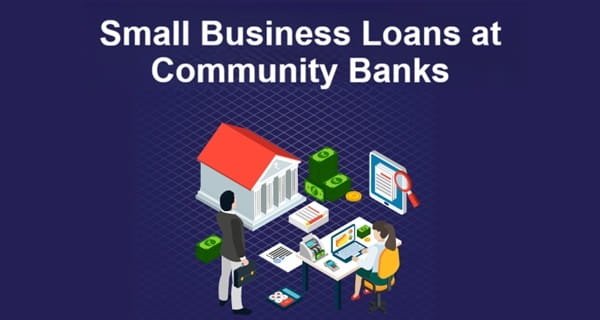
Financing can help a small business purchase equipment, manage working capital, acquire property, refinance eligible debt, or invest in growth. The challenge is finding a loan structure that matches the purpose and the company’s ability to repay. Community banks can be useful in that process because their lending model often combines financial analysis with direct knowledge of the borrower and local market.
That relationship does not remove credit standards or guarantee approval. A community bank still evaluates risk, documentation, collateral, cash flow, and loan terms. Its potential advantage is a conversation in which decision-makers can consider both quantitative information and the circumstances behind it.
How Relationship Underwriting Works
Every lender reviews measurable factors such as revenue, expenses, existing debt, credit history, assets, and repayment capacity. Community banks may also use information developed through relationships with customers, branch staff, and the local business community.
This can matter when a financial statement does not tell the whole story. A seasonal company, specialized contractor, or growing professional firm may have patterns that require explanation. The banker can ask how the business earns money, what drives demand, why margins changed, and how management responded to previous challenges.
Relationship underwriting is not an exception to responsible lending. It is a way to add verified context to the numbers. Existing checking, savings, deposits, payment services, or remote deposit capture may give the bank additional experience with normal account activity, but they do not replace required loan information. The most useful borrowers are transparent, organized, and prepared to explain both strengths and risks.
Match the Loan to the Business Purpose
The reason for borrowing should guide the product. A term loan may fit equipment, vehicles, renovations, or another investment with a defined cost and useful life. A line of credit may be more appropriate for recurring short-term needs such as inventory, payroll timing, or gaps between completing work and receiving customer payments.
Commercial real estate financing can support the purchase or improvement of a property, while other business loans may address expansion, acquisition, or refinancing. Credit cards can cover limited routine purchases, but their rates, fees, and repayment structure may make them unsuitable for long-term financing.
Borrowers should avoid using short-term credit to fund a long-lived asset unless the repayment plan clearly supports it. A community bank can explain available solutions, but the owner must understand how each option affects cash flow, security interests, and future borrowing capacity.
What a Community Lender Evaluates
A loan decision commonly focuses on whether the business can repay from reliable cash flow. The bank may examine tax returns, income statements, balance sheets, bank statements, accounts receivable, existing obligations, owner credit, and financial projections.
The lender also considers management experience, industry conditions, the amount requested, how funds will be used, and what could go wrong. Startups may need to provide more detail because they have less operating history. Established businesses should be ready to explain unusual results, major customer concentrations, or recent changes.
Local knowledge can sharpen the analysis, but it does not replace evidence. A banker who understands the area may recognize a credible opportunity or seasonal cycle; the applicant still needs a sound business purpose and a reasonable ability to repay.
Prepare Before the First Loan Meeting
A complete application can reduce delays and improve the quality of the discussion. Before meeting with the bank, define the exact amount needed, intended use, preferred timing, and proposed repayment source.
Documents may include a business plan, recent financial statements, tax returns, debt schedule, ownership information, accounts receivable and payable reports, and projections. The bank may also request personal financial information from owners or guarantors. Requirements depend on the loan, lender, and circumstances.
Projections should show their assumptions rather than presenting optimistic totals without support. Explain expected sales, costs, hiring, and capital spending. If the request addresses a temporary cash-flow gap, identify when money will enter the account and what happens if payment arrives late.
Understand Collateral and Personal Guarantees
Collateral gives a lender a claim against specified assets if the borrower defaults, but its presence does not turn an unaffordable loan into a safe one. Banks still focus on repayment from business operations. Depending on the request, collateral may include equipment, inventory, receivables, or property.
Owners may also be asked to provide a personal guarantee. That creates personal responsibility for the debt under the agreement and should be reviewed carefully. Borrowers need to know which assets secure the loan, whether additional collateral can be required, and how the bank handles releases or substitutions.
Before signing, read every document and ask questions about default, late payments, financial reporting, insurance, covenants, and changes in ownership. Legal or accounting advice may be appropriate when obligations are complex.
Compare the Full Cost and Conditions
The interest rate is important, but it is only one part of a financing decision. Businesses should compare origination fees, closing costs, appraisal expenses, prepayment terms, variable-rate adjustments, collateral requirements, payment frequency, and the total repayment amount.
Flexibility also has value. A line of credit may charge interest only on funds in use, while a term loan provides a set disbursement and repayment schedule. One option may preserve working capital; another may provide greater payment certainty.
Ask whether the rate is fixed or variable, when payments begin, how renewals work, and what information the bank requires after closing. A community bank should be able to explain the loan in plain language without relying on a promotional rate to hide other costs.
Consider Government-Guaranteed Financing When Relevant
Some community banks participate in government-guaranteed lending programs. The primary federal small-business loan program provides guarantees to participating lenders, which can help them serve eligible companies with qualifying needs. Funds may be used for purposes such as working capital, equipment, real estate, eligible debt refinancing, or a change of ownership, subject to current program rules.
The government does not generally make these loans directly to the business; the borrower applies through a participating lender. Eligibility, documentation, fees, collateral, and processing requirements vary. A guarantee protects part of the lender’s risk, not the borrower from repayment.
Applicants should compare a guaranteed loan with conventional credit and confirm current requirements through official program information. Participation alone does not mean a particular loan is the best or least expensive solution.
Build the Banking Relationship Before Borrowing
The best time to meet a lender is often before money becomes urgent. A checking account, savings relationship, remote deposit service, or regular planning conversation can help the bank understand the company’s transactions and goals.
Owners can use periodic meetings to discuss future equipment, locations, hiring, credit needs, or economic pressures. The banker can identify information that will be required later, while the business has time to improve records, strengthen cash reserves, or reconsider the request.
When comparing community banks, evaluate lending experience, decision authority, loan products, service speed, branch access, digital banking, customer service, security, and FDIC membership. Ask whether a dedicated team will manage the relationship, which technologies support applications and payments, and who can answer questions by phone when an issue cannot wait. The right institution should offer more than a friendly introduction; it should have the resources and capacity to support the proposed financing.
Small business loans at community banks work best when local knowledge and personalized service are matched by disciplined preparation. A clear purpose, realistic projections, complete information, and an affordable repayment plan give the relationship a strong foundation—and help both the borrower and lender make a better decision. Productive lending can also support business development, jobs, and the wider economy in the communities a local institution serves.