In today’s digital world, banking has transformed far beyond traditional branch visits. From instant payments to mobile banking apps, E-Banking has completely changed how Indians manage their money. Whether you are paying bills, sending money, checking your balance, or opening a fixed deposit, almost everything can now be done through a smartphone or laptop.
E-Banking has become especially popular after UPI, internet banking, and digital wallets revolutionised India’s financial system. But like every technology, it has both advantages and disadvantages. Understanding them helps customers use digital banking safely while enjoying its full benefits.
Let’s understand the meaning of e-banking, its major benefits, limitations, and its impact on India’s banking landscape.
What is E-Banking?
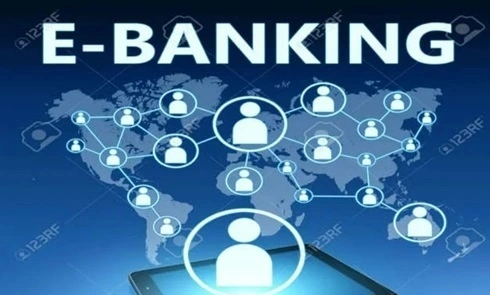
E-Banking (Electronic Banking) refers to the use of digital channels such as mobile apps, internet banking, ATMs, UPI, and digital wallets to perform banking transactions. Customers no longer need physical visits for most banking services.
Popular Forms of E-Banking in India
- Internet Banking (NetBanking)
- Mobile Banking Apps
- UPI Payments
- ATM Services
- Digital Wallets (Paytm, PhonePe, GPay)
- Electronic Fund Transfers (NEFT, RTGS, IMPS)
- Online Bill Payment and Recharge
- E-passbooks and Account Management Tools
E-Banking has made banking faster, convenient, and more accessible, but it also brings certain risks and challenges.
Advantages of E-Banking
1. 24/7 Convenience
The biggest advantage of e-banking is that you can access your bank account anytime, anywhere. There are no restrictions of bank timings or location.
- You can transfer money at midnight.
- Pay bills while travelling.
- Check balance instantly.
This flexibility has made banking seamless for students, salaried professionals, and businesses alike.
2. Faster Transactions
Digital transactions through UPI, IMPS, and internet banking are incredibly quick. Many payments take place within seconds, reducing waiting time and increasing efficiency.
Examples:
- UPI transfers
- Online shopping payments
- IMPS transactions
- FastTag recharges
Fast transactions are essential in an increasingly digital economy.
3. Cost-Effective
E-Banking reduces the operational cost for banks, and customers enjoy many services free of charge.
- UPI payments: Zero cost
- IMPS/NEFT: Mostly free
- Online bill payments: Free
- No need to spend money on travel or paperwork
It promotes a cashless and cost-efficient financial system.
4. Easy Access to Banking Services
E-banking provides access to several services that earlier required branch visits.
You can now:
- Open a savings account
- Apply for loans
- Invest in mutual funds or FDs
- Update personal details
- Download statements
- Request cheque books
All these are available through mobile apps and websites.
5. Enhanced Security Features
Modern e-banking platforms use advanced security mechanisms:
- OTP verification
- Biometric authentication
- Device binding
- Encryption
- AI-based fraud detection
Though cyber risks exist, digital banks in India have improved their systems significantly to protect customers.
6. Environment-Friendly
E-Banking reduces the use of:
- Paper
- Physical documentation
- Manual work
This shift helps the environment by reducing waste and promoting sustainable operations.
7. Better Financial Management
Digital banking creates a transparent system.
Customers can easily:
- Track spending
- Analyse expenses
- Set auto-debits
- Get instant alerts
- Check past transactions
Such tools help people improve their budgeting and savings.
Disadvantages of E-Banking
Despite its many benefits, e-banking also comes with some limitations.
1. Cybersecurity Risks
The biggest drawback of e-banking is the risk of online fraud.
Common risks include:
- Phishing scams
- Fake UPI links
- OTP fraud
- App cloning
- SIM swapping
- Malware attacks
Even though banks use security measures, customers must stay alert and follow safe practices.
2. Technical Issues
Digital banking depends heavily on:
- Internet connectivity
- App performance
- Server uptime
When servers crash (especially during peak hours), transactions fail, leading to delays and frustration.
3. Lack of Personal Touch
Traditional banking offers face-to-face interaction.
In e-banking:
- Elderly customers
- Rural users
- Technologically inexperienced individuals
may find it difficult to adapt.
Human interaction is important for services like loan counselling, dispute resolution, and financial guidance.
4. Dependency on Technology
If your mobile is lost, damaged, or out of battery, you temporarily lose access to banking.
Other risks:
- Forgotten passwords
- App login issues
- Device compatibility problems
Such dependency can be inconvenient in urgent situations.
5. Risk of Misuse by Third Parties
If someone gains access to your phone or login details, they can misuse your account.
- Shared devices
- Weak passwords
- Saving login details
- Not logging out properly
can all increase the risk of unauthorized transactions.
6. Digital Illiteracy in Rural Areas
Although India has seen massive digital growth, many people still lack digital literacy.
Challenges include:
- Lack of smartphone access
- Poor internet connectivity
- Limited knowledge of online payments
This creates a digital divide between urban and rural banking users.
Conclusion
E-Banking has transformed India’s financial landscape by making banking faster, smarter, and more convenient. Its benefits—like quick transactions, 24/7 access, and cost efficiency—are undeniable. However, customers must also be aware of the risks such as cyber fraud, technical issues, and digital illiteracy.
In reality, E-Banking is neither completely perfect nor entirely flawed. It is a powerful tool that, when used responsibly, can make financial management easier than ever. Banks, regulators, and customers must work together to ensure safe and seamless digital banking for all.