A cheque is a widely used financial instrument in India for transferring money from one bank account to another. Each cheque carries important details, including the cheque number, which is crucial for tracking, verification, and record-keeping. For both individuals and businesses, knowing how to identify a cheque number ensures smooth banking operations and helps prevent errors during transactions.
What is a Cheque Number?
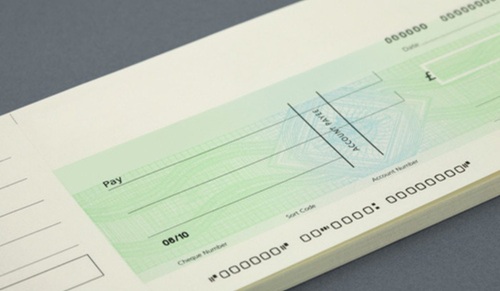
- The cheque number is a unique six-digit or five-digit number printed on every cheque.
- It helps banks and account holders track specific cheques and distinguish them from other cheques issued from the same account.
- Cheque numbers are sequential, meaning they usually increase incrementally with each new cheque in the book.
Where is the Cheque Number Located?
- Top-Right Corner: Most cheques display the cheque number in the top-right corner, above the payee details and near the bank logo.
- Bottom-Left Corner (MICR Line): The cheque number is also printed at the bottom of the cheque as part of the MICR (Magnetic Ink Character Recognition) code line. This is the line of numbers that includes the bank code, branch code, and cheque number.
- Consistency: The number in the MICR line and the top-right corner usually match, but some older cheque formats may differ slightly in placement.
Understanding the MICR Line
- The MICR line is printed in magnetic ink to allow automatic reading by banks’ processing machines.
- The typical structure of the MICR line in India is:
- First set of digits: Cheque number (usually 6 digits)
- Second set: Bank code and branch code
- Third set: Account number
- The cheque number in the MICR line is usually the first 6 digits on the left, making it easy to identify even when using automated banking systems.
Tips to Quickly Identify Cheque Number
- Look at the Top-Right Corner: Most cheques have the number printed prominently.
- Check the MICR Line: Identify the first set of digits on the left, which usually represents the cheque number.
- Compare Across Pages: If using a cheque book, ensure the number matches the sequence printed in the cheque stub or register.
- Digital Confirmation: If you issue a cheque via online banking, the system usually displays the cheque number in the transaction history.
Why the Cheque Number is Important
- Tracking Payments: Helps track whether a cheque has been cleared, bounced, or pending.
- Record-Keeping: Businesses maintain cheque numbers in accounting ledgers to reconcile payments.
- Fraud Prevention: If a cheque is lost or stolen, the number can be reported to the bank to stop payment.
- Audit and Verification: Cheque numbers help auditors verify transaction sequences and prevent accounting discrepancies.
Common Mistakes to Avoid
- Writing Over the Number: Never write on the top-right cheque number; it may cause confusion during processing.
- Ignoring Sequence: Issuing cheques out of sequence can create issues in reconciliation.
- Using Damaged Cheques: Torn or smudged cheque numbers may delay clearing or cause rejection.
Quick Comparison: Cheque Number vs Other Numbers on a Cheque
| Feature | Cheque Number | Account Number | MICR Code |
| Location | Top-right corner & MICR line | MICR line (middle section) | Bottom of cheque line |
| Purpose | Track specific cheque | Identify account holder | Bank & branch identification |
| Format | Usually 5–6 digits | Varies (8–16 digits) | Combination of numbers & symbols |
Final Thoughts
Identifying the cheque number is simple once you know where to look: top-right corner or first set of digits in the MICR line. This number is essential for tracking, accounting, fraud prevention, and auditing. By paying attention to cheque numbers, both individuals and businesses can maintain accurate financial records, ensure smooth transactions, and avoid unnecessary banking errors.